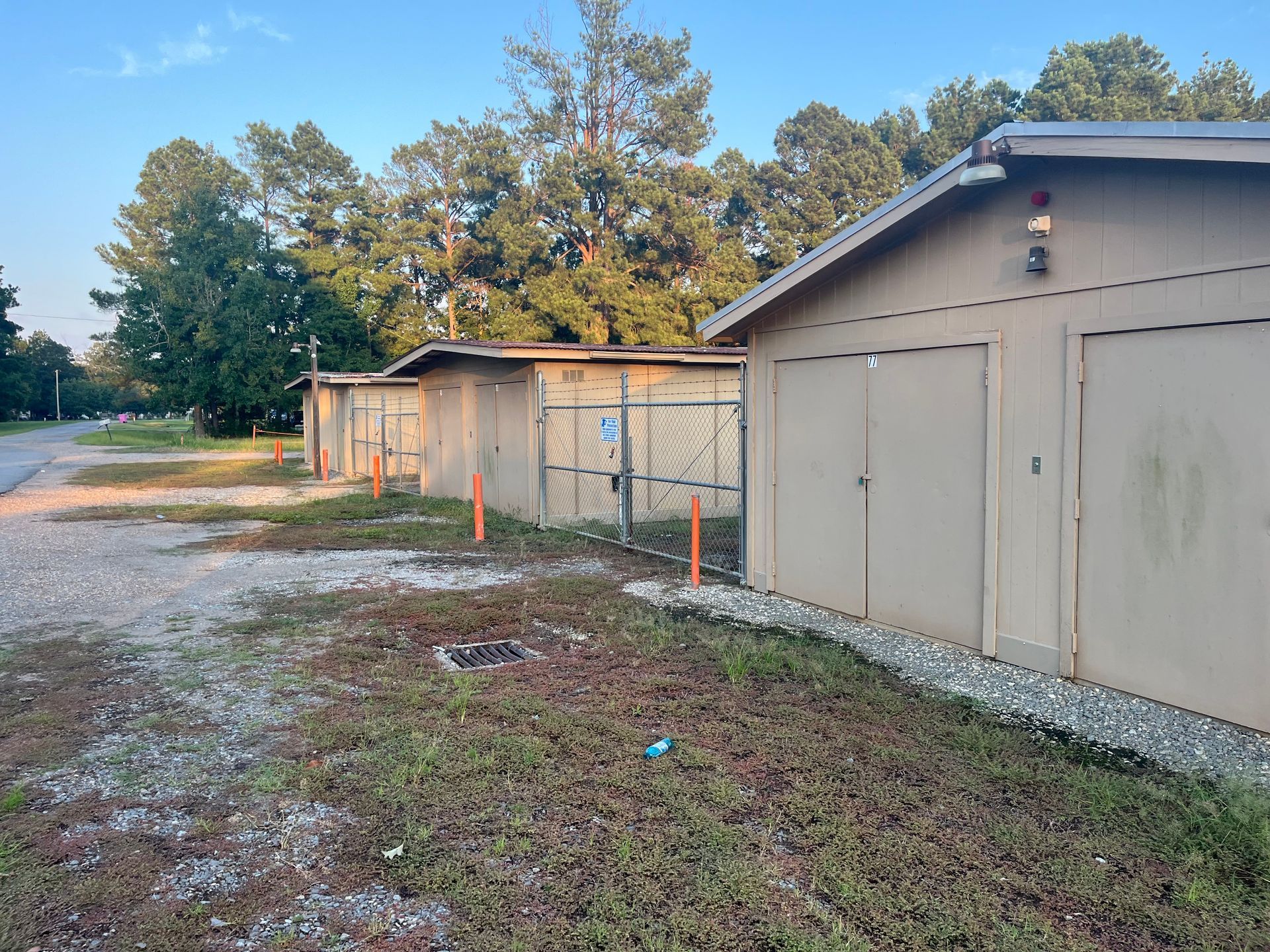
How to Pack a Storage Unit Efficiently: Smart Organization and Packing Tips
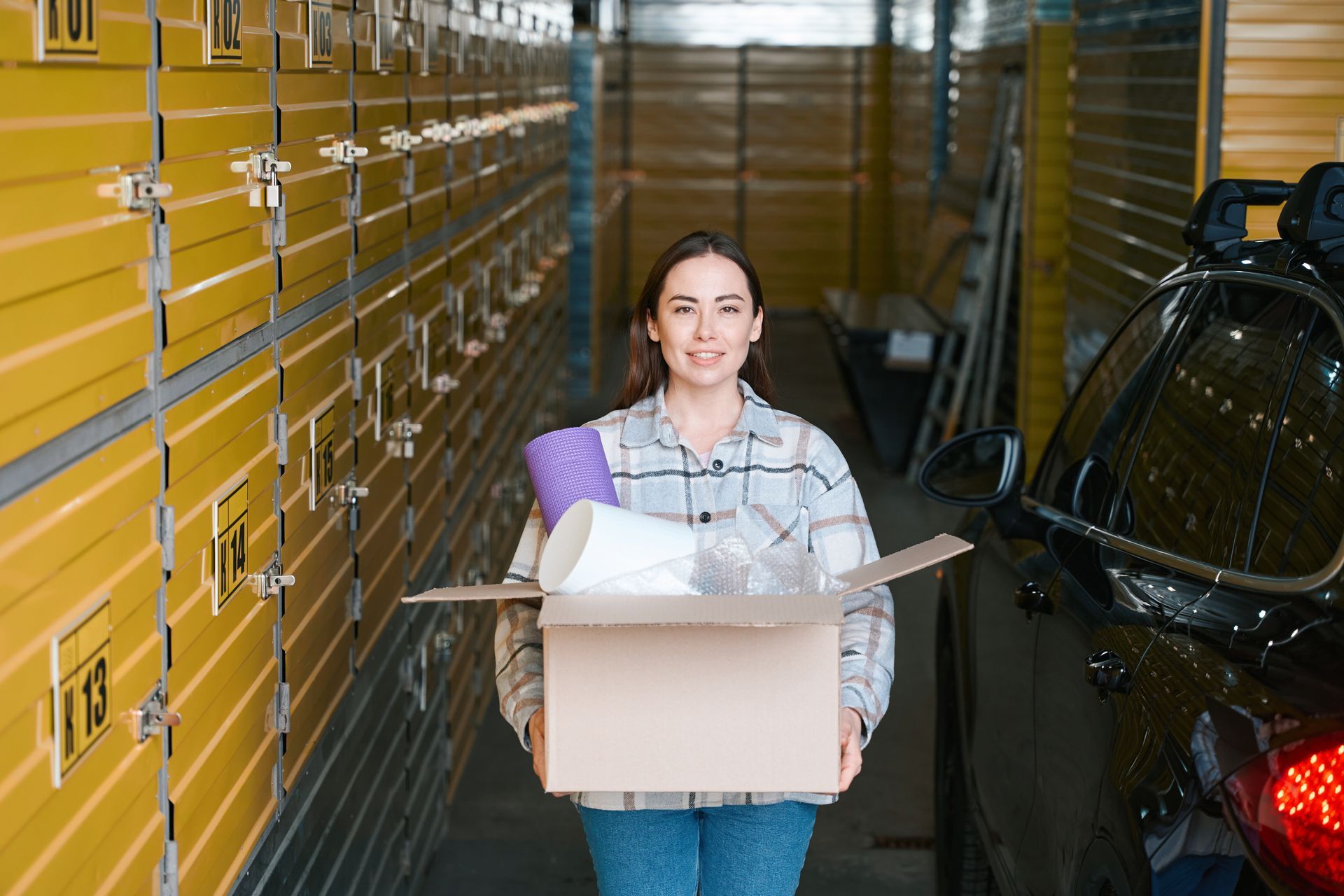
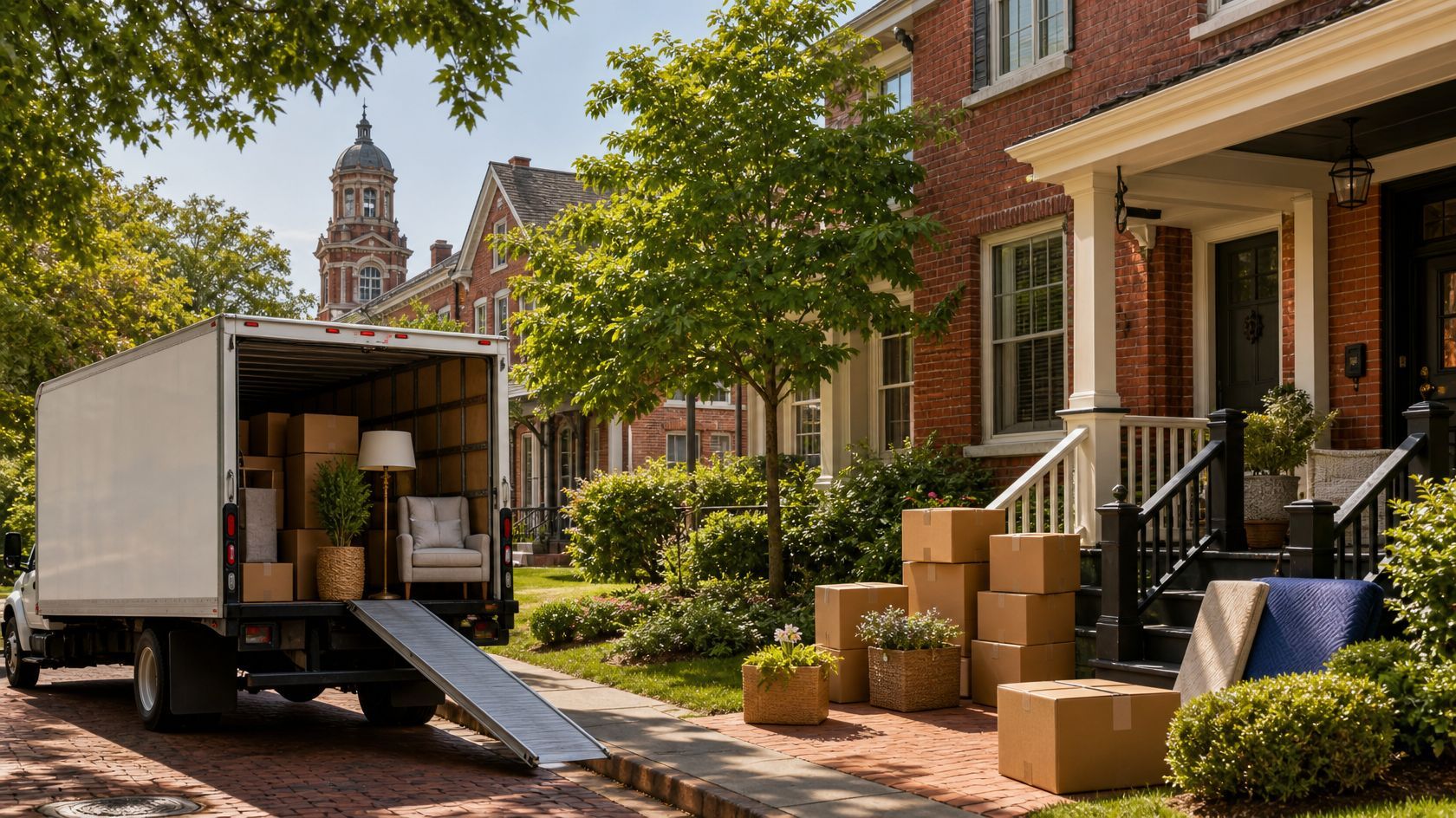
Packing a storage unit efficiently can make a significant difference in how much space you need and how easily you access your belongings. Whether you're moving, renovating, or clearing clutter from your home, proper organization helps prevent damage and unnecessary frustration. Without a plan, even a large storage unit can become crowded and difficult to navigate. Learning how to pack a storage unit efficiently can help you make better use of every square foot.
For South Carolina residents, storage can be especially useful during household moves, seasonal transitions, and home improvement projects. Goodfellas Storage offers self-storage in Abbeville, SC, for people who need extra space for furniture and personal belongings. With a few practical packing techniques, you can organize your unit for convenient access and long-term storage.
Start With a Storage Unit Packing Plan
Before moving anything into storage, create an inventory of the items you intend to keep. Separate furniture, appliances, boxes, seasonal decorations, and fragile belongings into categories. This makes it easier to estimate the space needed and decide which items to load first. Measure large furniture pieces and compare their dimensions with your storage unit's available space. Consider how frequently you'll need certain belongings during your rental period. A simple layout plan can prevent unnecessary rearranging after you move everything inside.
Choose the Right Packing Supplies
Appropriate packing materials help protect belongings and make them easier to organize. Sturdy moving boxes, packing tape, furniture covers, and protective wrapping are useful for most storage projects. Plastic storage bins can provide additional protection for items that require more durable containers.
Use Uniform Boxes Whenever Possible
Boxes of similar dimensions stack more securely and fit better against walls. Choose smaller boxes for heavy belongings such as books and larger boxes for lightweight items. Avoid overfilling containers because excessive weight can cause them to collapse.
Label Every Box Clearly
Write the contents and destination room on multiple sides of each box. Number boxes and keep a matching inventory to make it easier to locate specific belongings. Clearly identify fragile items so they receive appropriate handling.
How to Organize a Storage Unit for Maximum Space
The order in which you load belongings can determine how efficiently the unit functions. Start with large, heavy items and work toward smaller, lighter containers. Keep frequently needed belongings accessible rather than burying them behind furniture.
Place Heavy Furniture and Appliances First
Position sturdy furniture and large appliances toward the back or along the sides of the unit. Disassemble tables, bed frames, and shelving when practical to reduce wasted space. Store hardware in labeled bags, securely attached to the corresponding furniture. Clean and completely dry appliances before storage, following manufacturer recommendations. Avoid placing heavy boxes on delicate surfaces or unstable furniture. Protect corners and finishes with suitable padding to reduce scratches.
Use Vertical Storage Space
Stack properly packed boxes to take advantage of the unit's height. Place heavier containers at the bottom and lighter ones above them. Keep stacks stable and within the containers' weight limits. Freestanding shelving can improve organization when the facility allows it. Shelves are particularly helpful for small boxes, seasonal decorations, and business supplies. Avoid stacking items against doors or obstructing access.
Create a Walkway for Easy Access
Leaving a narrow central aisle makes it easier to retrieve belongings without unloading everything. Place frequently used items near the entrance and less-used belongings toward the back. This approach works particularly well for long-term storage. A walkway uses some floor space, but it can save considerable time later. Plan its width around the boxes and furniture you'll need to move. Keep the route clear throughout your rental period.
Protect Furniture and Fragile Belongings
Furniture needs careful preparation before storage. Clean surfaces, remove detachable components, and use breathable furniture covers when appropriate. Avoid wrapping moisture-sensitive furniture tightly in plastic for extended periods. Wrap mirrors, framed artwork, and glass items individually using suitable protective materials. Store fragile belongings upright when recommended and prevent them from shifting. Never place heavy boxes directly on breakable items.
Pack Electronics and Important Documents Carefully
Clean, disconnect, and pack electronics according to the manufacturer's recommendations. Original packaging can provide useful protection when available. Keep cables and accessories labeled so everything is easier to reconnect later. Important documents, photographs, and keepsakes deserve additional attention. Use suitable protective containers and avoid exposing sensitive materials to excessive heat or moisture. Consider keeping irreplaceable documents with you rather than storing them.
Consider South Carolina's Humidity When Packing
South Carolina experiences warm, humid conditions that can affect stored belongings. Moisture-sensitive materials, including paper, textiles, and wood, require careful preparation before storage. Thoroughly cleaning and drying items helps reduce the risk of mildew and deterioration.
Clemson University's indoor air quality guidance explains how moisture and indoor conditions can contribute to mold growth. Although the guidance addresses indoor environments generally, its emphasis on moisture control is relevant when preparing belongings for storage. Never pack damp clothing, furniture, or cardboard boxes.
Clemson University's fabric pest prevention guidance also emphasizes cleaning textiles and inspecting stored materials. Wash and dry clothing, blankets, and other fabric items before packing. Proper preparation helps reduce the likelihood of unpleasant surprises when retrieving belongings.
Common Storage Unit Packing Mistakes to Avoid
One common mistake is loading belongings without considering how you'll retrieve them. Placing everything tightly against the back wall may seem efficient initially, but it can make access difficult. Organizing items by how often you use them creates a more practical arrangement. Another mistake is using weak boxes or stacking containers beyond their capacity. Damaged boxes can collapse and potentially harm nearby belongings. Choose sturdy materials and distribute weight evenly.
Avoid storing prohibited items, including perishables, hazardous chemicals, and flammable materials. Review your facility's rental agreement for specific restrictions before moving in. Keep valuables and irreplaceable possessions in a location appropriate for their security needs.
Make the Most of Your Storage Space With Goodfellas Storage
Knowing how to pack a storage unit efficiently helps protect your belongings and maximize available space. Planning your layout, using sturdy containers, and organizing furniture strategically can make storage easier to manage. Taking time to prepare everything properly also simplifies the eventual unpacking process.
Goodfellas Storage offers options for residents who need extra space during moves, renovations, and everyday decluttering. Explore
self-storage in Summerton, SC, to review available storage spaces and find a unit that suits your needs. Compare unit sizes, prepare your belongings, and organize your space for a smoother storage experience.