What Size Storage Unit Do I Need? A Practical Guide for North Carolina Renters
Choosing a storage unit can be confusing when you're unsure how much space your belongings require. You might need room for a few boxes, apartment furniture, or the contents of an entire house. Renting a unit that's too small creates packing challenges, while choosing one that's unnecessarily large can increase monthly expenses. Understanding common storage dimensions makes it easier to find the right space.
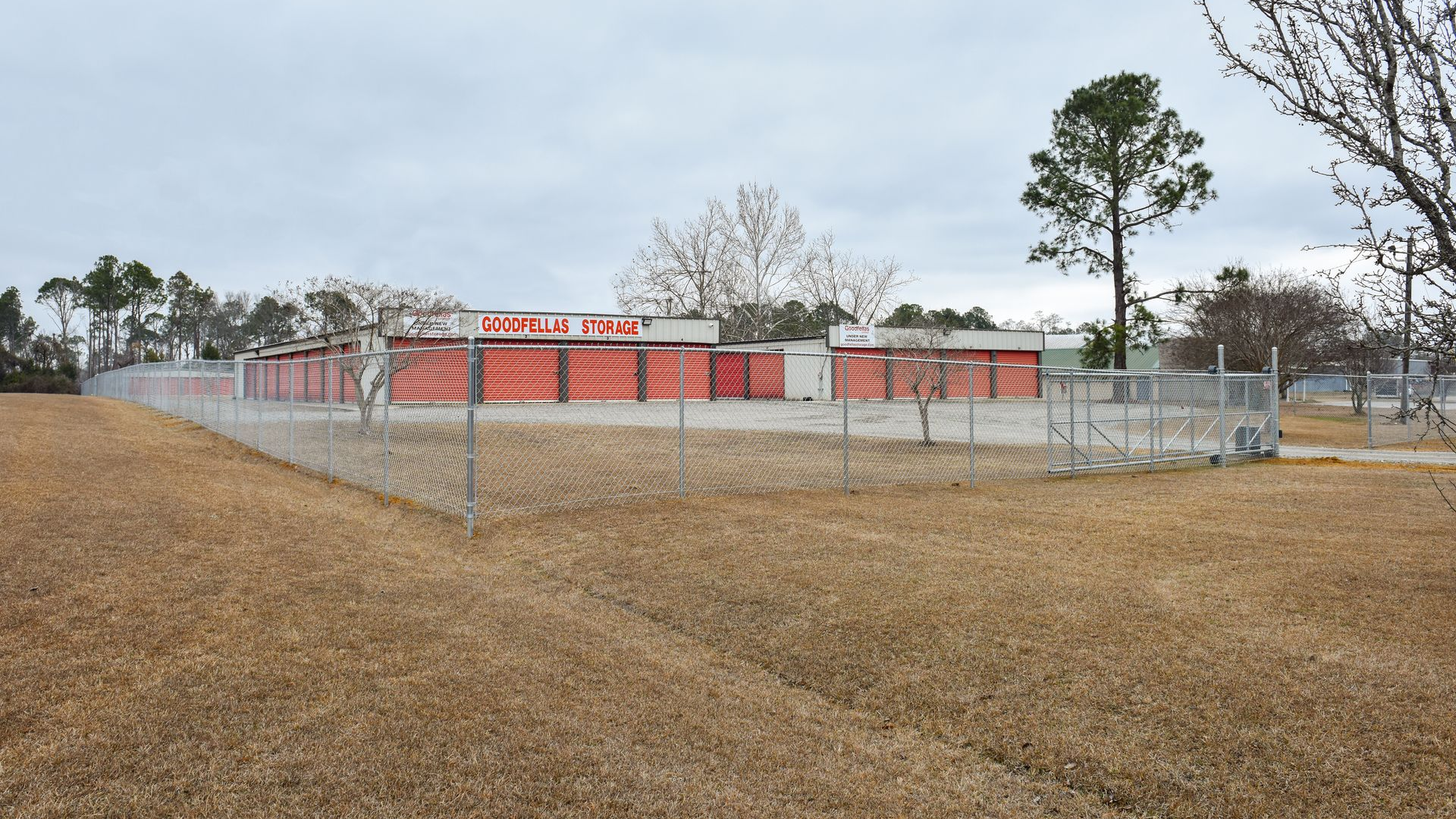
Whether you're moving, renovating, or decluttering, planning can save time and money. Goodfellas Storage offers self-storage in Asheboro, NC for residents who need extra space. This guide explains what fits in popular storage unit sizes and how to choose the right option.
What Size Storage Unit Do I Need?
The right storage unit size depends on how many belongings you have and how efficiently you can arrange them. Furniture dimensions, box quantities, and access needs all affect how much space you need. A unit that fits everything tightly may not leave enough room to retrieve items later. Start by inventorying everything you plan to store. Measure large furniture, estimate your box count, and identify items you can't stack. This information will help you compare unit dimensions and avoid paying for unnecessary space.
Understanding Common Storage Unit Sizes
Storage units generally range from compact spaces for personal belongings to larger units suitable for household moves. The following dimensions represent common options, although availability varies by facility. Knowing what each size typically accommodates can help narrow your choices.
5x5 Storage Unit: Small Personal Storage
A 5x5 storage unit provides approximately 25 square feet of floor space, comparable to a small closet. It can accommodate boxes, seasonal decorations, small furniture, and personal belongings. This size works well for students, apartment residents, and homeowners clearing limited storage areas. A 5x5 unit may also accommodate luggage, sporting equipment, and small household appliances. However, large furniture and multiple bulky items can quickly fill the available space. Measure your belongings before selecting this compact option.
5x10 Storage Unit: Extra Closet Space
A 5x10 storage unit provides approximately 50 square feet of space, offering more flexibility than a standard closet. It may accommodate a mattress set, small furniture pieces, boxes, and household accessories. This size is useful for apartment moves, seasonal storage, and decluttering projects. A 5x10 unit can also help during home renovations when furniture needs temporary protection. Carefully arrange boxes and place appropriate items vertically to maximize space. Avoid stacking heavy belongings on fragile furniture or electronics.
10x10 Storage Unit: Apartment Storage
A 10x10 storage unit provides approximately 100 square feet, roughly comparable to a small bedroom. Depending on furniture dimensions, it may hold the contents of a one-bedroom apartment. Common items include a sofa, mattress, dining furniture, appliances, and moving boxes. This size is popular among renters transitioning between apartments or renovating their homes. It can also accommodate business inventory, office supplies, and equipment. Creating a packing plan helps ensure everything fits without unnecessary crowding.
10x15 Storage Unit: Multiple Rooms of Furniture
A 10x15 storage unit offers approximately 150 square feet of storage space for larger storage needs. It may accommodate furniture from a two-bedroom apartment or several rooms of household belongings. This makes it useful during relocations, remodeling projects, and extended storage periods. Depending on their dimensions, it may fit large furniture pieces, mattresses, appliances, and numerous boxes. Disassembling bed frames and tables can help conserve floor space. Leave room for access if you expect to retrieve belongings regularly.
10x20 Storage Unit: Household Storage
A 10x20 storage unit provides approximately 200 square feet, comparable to a small one-car garage. It may fit furniture and belongings from a multi-bedroom home, depending on how much you store. This size is useful for major moves, renovations, and substantial business inventory. Larger units offer flexibility when storing bulky furniture and appliances together. However, the total capacity depends on unit height, furniture dimensions, and packing methods. Confirm the available dimensions before reserving.
10x30 Storage Unit: Large Storage Needs
A 10x30 storage unit provides approximately 300 square feet of floor space. It may accommodate belongings from a larger household or substantial commercial equipment and inventory. This size is generally best when smaller units cannot comfortably hold everything. Large units can simplify organization when storing furniture from multiple rooms. Shelving and clearly labeled boxes make belongings easier to locate. Availability varies, so check whether your preferred facility offers this size.
How to Calculate the Storage Space You Need
Start by creating a detailed inventory. List furniture, appliances, boxes, and oversized items before comparing available unit dimensions. Include measurements for belongings that cannot be disassembled or stacked. Consider whether you need access to individual items during your rental. Leaving a narrow walkway can make retrieving belongings easier, but it reduces usable storage space. If you're storing everything until moving day, tighter packing may be practical.
Should You Choose Climate-Controlled Storage?
North Carolina experiences warm, humid summers and seasonal temperature changes. Wooden furniture, electronics, photographs, and important documents may benefit from more consistent indoor conditions. Climate-controlled storage can help limit exposure to extreme temperature fluctuations. The NC State Extension guide to preventing mold explains how excess moisture contributes to mold growth. Cleaning and drying belongings before storage can reduce potential problems. Climate control provides additional protection but does not replace proper packing.
The North Carolina Department of Natural and Cultural Resources' guide to caring for family treasures also highlights the importance of stable storage conditions. Paper, photographs, and textiles can be particularly sensitive to unsuitable environments. Consider the materials you're storing when choosing between available unit types.
How to Maximize Your Storage Unit Space
Efficient packing can help you rent a smaller unit without sacrificing organization. Use sturdy boxes of similar sizes, disassemble furniture when possible, and protect delicate surfaces. Place heavier items under lighter ones to reduce damage. Keep frequently needed items near the entrance and label boxes clearly. Store mattresses and furniture according to manufacturer recommendations rather than forcing them into unsuitable positions. Leave sufficient space around fragile belongings to prevent unnecessary pressure. For a step-by-step layout plan, see our guide on How to Pack a Storage Unit Efficiently.
Common Storage Unit Size Mistakes to Avoid
One common mistake is estimating space based only on the number of rooms in a home. Two households with similar floor plans may have very different amounts of furniture. Measuring actual belongings produces a more reliable estimate. Another mistake is ignoring door dimensions and access requirements. A large sofa may fit inside the unit but be difficult to move through the entrance. Confirm door measurements and facility access arrangements before renting.
Find the Right Storage Unit in North Carolina
Choosing the right storage unit starts with understanding your belongings, measuring large items, and comparing available dimensions. Smaller units work well for boxes and personal belongings, while larger spaces accommodate furniture and household moves. Planning your layout can help you avoid unnecessary expenses.
Goodfellas Storage serves residents seeking storage solutions in multiple North Carolina communities. Explore
storage units in Mebane, NC to compare available unit sizes and rental options. Review current availability and choose the space that best fits your storage needs.